
The global demand for caregivers and healthcare professionals has never been higher. Aging populations, evolving healthcare systems, and a renewed focus on quality of life have created a surge in opportunities across countries such as Canada, the United Kingdom, Australia, Germany, and the United States. For international students and job seekers, this demand has opened up practical and structured study pathways that not only provide quality education but also lead directly to employment and long-term residency opportunities.
For many aspiring migrants, the caregiver and healthcare route stands out because it combines relatively accessible entry requirements with strong job security and meaningful, people-centered work. This article explores the key study pathways, countries offering them, and how you can strategically position yourself for success.
Understanding the Caregiver and Healthcare Pathway
Caregiver and healthcare pathways typically involve enrolling in accredited programs such as nursing, healthcare assistance, geriatric care, disability support, or community health. These programs are designed to equip students with both theoretical knowledge and hands-on clinical experience.
Unlike many other academic routes, healthcare programs are often closely tied to labor market needs. This means that upon graduation, students are not just equipped with a certificate or degree, but with skills that are immediately employable. In many countries, the transition from student to worker is intentionally streamlined to address workforce shortages.
Popular Study Programs That Lead to Jobs
Several programs fall under this pathway, each with varying entry requirements and career outcomes.
Nursing remains one of the most sought-after professions globally. A Bachelor of Nursing or a practical nursing diploma can lead to roles in hospitals, clinics, and community health settings. Many countries prioritize nurses for work visas and permanent residency due to critical shortages.
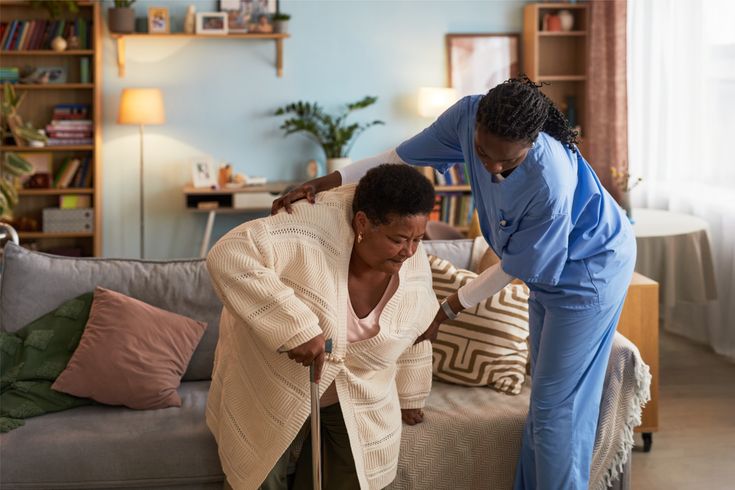
Healthcare Assistant and Personal Support Worker programs are shorter and more affordable. These programs focus on assisting the elderly, disabled individuals, and patients in daily living activities. Graduates often find employment quickly in care homes, private residences, and healthcare facilities.
Geriatric and Elderly Care programs are particularly in demand in countries with aging populations. These programs specialize in caring for older adults, addressing both physical and emotional needs.
Allied Health programs such as physiotherapy assistants, medical laboratory technicians, and occupational therapy aides also offer strong employment prospects with shorter training durations.
Top Destinations Offering Job-Linked Pathways
Canada is one of the most attractive destinations for caregiver and healthcare pathways. Programs such as Personal Support Worker courses and nursing degrees are widely available. Canada also offers post-graduation work permits, allowing students to gain valuable work experience after completing their studies. In some cases, caregivers can transition to permanent residency through dedicated immigration streams.
The United Kingdom offers healthcare programs through universities and colleges, with strong links to the National Health Service. International students who study nursing or related courses can benefit from the Graduate Route visa, which allows them to stay and work after graduation. The UK also has a Health and Care Worker visa that facilitates employment in the sector.
Germany has emerged as a hotspot for healthcare training, especially in nursing and elderly care. Many programs are offered in a dual system, combining classroom learning with paid practical training. In some cases, students receive stipends during their studies, reducing financial pressure.
Australia provides high-quality healthcare education and offers post-study work rights. Courses in aged care, disability support, and nursing are aligned with the country’s skilled occupation list, increasing the chances of securing employment and residency.
The United States, while more complex in terms of immigration, still offers pathways through nursing and healthcare programs. International students who complete eligible programs may access Optional Practical Training, which allows them to work temporarily in their field.
Why This Pathway Is Attractive
One of the biggest advantages of caregiver and healthcare pathways is job security. Healthcare is an essential service, and demand remains stable regardless of economic fluctuations. This makes it a reliable career choice for long-term planning.
Another benefit is the relatively shorter pathway to employment. Unlike some professions that require many years of study, certain healthcare roles can be accessed within one to two years of training.
There is also the opportunity for career progression. A healthcare assistant can advance to become a registered nurse, and a nurse can specialize further or move into management roles. Continuous learning and professional development are built into the system.
Additionally, many countries offer immigration incentives for healthcare workers. These may include faster visa processing, reduced requirements, and clear pathways to permanent residency.
Key Requirements and Considerations
While the pathway is promising, it is important to understand the requirements. Most programs require a minimum level of English proficiency, often demonstrated through tests such as IELTS or TOEFL. Academic requirements vary depending on the course level.
Students should also be prepared for the physical and emotional demands of the profession. Caregiving and healthcare roles require compassion, patience, and resilience. It is not just a job but a commitment to improving the lives of others.
Financial planning is another critical factor. While some countries offer paid training or scholarships, others require proof of funds for tuition and living expenses. It is essential to choose a pathway that aligns with your financial capacity.
How to Position Yourself for Success
Choosing the right course and country is only the first step. To maximize your chances of success, focus on enrolling in accredited institutions with strong industry connections. Look for programs that include internships or clinical placements, as these often lead to job offers.
Building relevant skills such as communication, empathy, and teamwork will also give you an edge. Employers in the healthcare sector value not just technical competence but also interpersonal abilities.
Networking is equally important. Engage with professional associations, attend career fairs, and connect with employers during your studies. Many job opportunities arise through these channels.
Caregiver and healthcare study pathways offer a unique combination of purpose, stability, and opportunity. For those willing to commit to the demands of the profession, this route can open doors to meaningful work and a better quality of life abroad.
With the right planning, guidance, and determination, you can transition from a student to a skilled professional in one of the most in-demand sectors globally.
If you are ready to explore your options or need expert guidance on choosing the right program and destination, send your enquiry to happyfacelimited@gmail.com or book a consultation session via the Selar link. Take the first step today toward building a rewarding international healthcare career.


