

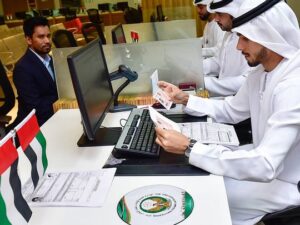
The Gulf Cooperation Council (GCC) region, comprising Bahrain, Kuwait, Oman, Qatar, Saudi Arabia, and the United Arab Emirates (UAE), has long been a magnet for foreign workers seeking lucrative opportunities. In 2025, these countries have made significant strides in streamlining their work visa processes, aiming to attract skilled professionals and address labor market demands. This article delves into the Gulf countries with the most accessible work visa systems in 2025, highlighting key reforms and practical insights for prospective expatriates.
United Arab Emirates (UAE): A Hub for Global Talent
The UAE continues to lead the Gulf region in offering accessible work visa options. In 2025, the country has introduced several initiatives to simplify the visa process:
-
Golden Visa Program: This long-term residency visa targets investors, skilled professionals, and exceptional talents. It offers a pathway to permanent residency without the need for a local sponsor.
-
Freelancer Permits: The UAE has expanded its freelance visa options, allowing individuals to work independently across various sectors, including technology, media, and education.
-
Fast-Track Processing: The introduction of a “work bundle” system has expedited the application process, reducing processing times and associated costs.
Qatar: Modernizing Work Visa Systems
Qatar has undertaken significant reforms to its work visa system in 2025:
-
Unified Work Visa: The country has consolidated various visa categories into a single, streamlined work visa, simplifying the application process for foreign workers.
-
Employer Sponsorship: While the employer still acts as a sponsor, the process has been digitized, allowing for quicker approvals and reduced paperwork.
-
Increased Transparency: Qatar has enhanced transparency in its visa issuance process, providing clear guidelines and timelines for applicants.
Saudi Arabia: Embracing Skill-Based Immigration
Saudi Arabia has introduced a skill-based classification system for work visas in 2025:
-
Iqama System: The standard long-term work visa, known as Iqama, is now governed by a tiered system categorizing workers into High-Skilled, Skilled, and Basic levels based on education, experience, salary, and age.
-
Digital Transformation: The application process has been digitized through the Ministry of Human Resources and Social Development, allowing for online submissions and tracking.
-
Focus on Skilled Labor: The reforms aim to attract high-skilled professionals to support the country’s Vision 2030 objectives.
Bahrain and Oman: Simplified Processes for Skilled Workers
Both Bahrain and Oman have made notable improvements in their work visa processes:
-
Bahrain: The country has introduced a “Green Card” system, offering long-term residency to skilled professionals in sectors such as information technology, healthcare, and education.
-
Oman: Oman has streamlined its work visa process by reducing the number of required documents and expediting approval times for skilled workers.
Kuwait: Recent Reforms Amidst Labor Market Adjustments
Kuwait has implemented labor market reforms affecting its work visa system:
-
Population Shift: As of early 2025, Kuwait’s population has decreased to 4.88 million, primarily due to a reduction in the number of expatriates. This shift is attributed to newly implemented labor policies, visa reforms, and initiatives aimed at localizing the workforce.
-
Policy Adjustments: While specific details on work visa reforms are limited, the country is focusing on balancing expatriate labor with national employment.
In 2025, the Gulf countries have made significant strides in simplifying their work visa processes, each adopting reforms tailored to their economic goals and labor market needs. The UAE remains a leader in offering accessible and diverse visa options, while Qatar and Saudi Arabia have modernized their systems to attract skilled professionals. Bahrain and Oman continue to refine their processes to support economic diversification, and Kuwait is adjusting its policies to balance labor market dynamics.
For prospective expatriates, understanding the specific requirements and processes of each country is crucial. Staying informed about policy changes and leveraging available resources can facilitate a smoother transition to working in the Gulf region.
Book a one-on-one consultation for guidance tailored to your goals: https://selar.com/Book.A.Session


