
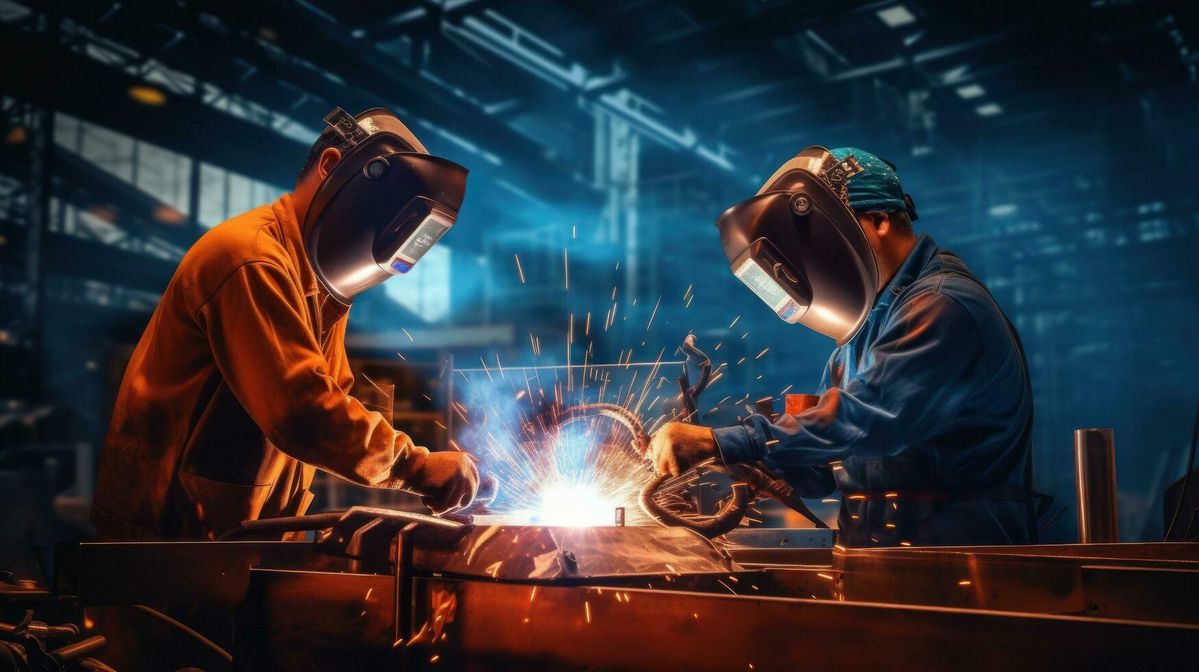

In today’s global job market, skilled trades are no longer confined to local opportunities. Professions such as welding and electrical work are in high demand across industries worldwide, and many countries are opening pathways for foreign workers with these qualifications. Unlike purely academic fields, trade skills are practical and transferable, making them highly valued in construction, infrastructure development, oil and gas, energy, and manufacturing sectors.
For welders and electricians, working abroad can offer not only financial benefits but also the chance to gain international experience, enhance career development, and explore potential pathways to permanent residency. In 2025, the need for qualified tradespeople continues to grow as countries grapple with worker shortages and ambitious development projects.
Why Skilled Trades Are in High Demand Abroad
Many countries face a shortage of skilled tradespeople due to aging workforces and a lack of younger workers entering technical professions. At the same time, large-scale infrastructure projects, renewable energy developments, and advanced manufacturing require expertise in welding and electrical systems. Automation has transformed certain industries, but the precision and problem-solving ability of trained tradespeople remain irreplaceable.
This shortage has created a strong demand for international workers. Governments and employers alike are offering visa sponsorship and migration pathways for welders and electricians who can fill urgent gaps in the labor market.
Countries Actively Hiring Welders and Electricians in 2025
Canada
Canada remains one of the top destinations for skilled trades. Through programs like the Federal Skilled Trades Program and Provincial Nominee Programs, welders and electricians are eligible to apply for work visas and even permanent residency. The construction boom in provinces like Alberta, Ontario, and British Columbia has increased demand for certified tradespeople. Electricians are especially sought after in residential and commercial building projects, while welders find opportunities in shipbuilding, oil and gas, and heavy machinery industries.
Australia
Australia continues to list electricians and welders on its Skilled Occupation List. The country faces ongoing shortages in construction, mining, and energy, particularly in rural and regional areas. Applicants with trade qualifications and work experience can apply through the General Skilled Migration Program or employer-sponsored visas. Skilled workers may also receive extra points if they are willing to work outside major cities. For welders, mining projects and shipyards provide ample employment, while electricians are needed for everything from solar power installations to large-scale infrastructure projects.
Germany
Germany’s advanced economy relies heavily on its engineering and manufacturing sectors. With a shortage of technical workers, the country has opened pathways for foreign tradespeople through the Skilled Immigration Act. Welders and electricians can apply for work visas if they have recognized qualifications and basic German language skills. The automotive, steel, and energy industries are major employers, while electricians are increasingly needed in renewable energy projects such as wind and solar farms.
New Zealand
New Zealand continues to face shortages in both construction and energy sectors. Welders and electricians are on the country’s Long-Term Skill Shortage List, making it easier for qualified workers to secure visas. Opportunities exist in housing construction, infrastructure repair, and power distribution networks. Many workers transition from temporary work visas to residency through skill-based migration programs.
Middle East (UAE, Qatar, Saudi Arabia)
The Gulf region’s rapid urban development, coupled with oil and gas expansion, ensures high demand for welders and electricians. Major infrastructure projects, refineries, and construction ventures constantly recruit foreign tradespeople. While these jobs may not always offer permanent residency, they provide excellent earning potential, tax-free salaries, and employer-provided accommodation.
Nordic Countries (Norway and Sweden)
Norway and Sweden are also attractive destinations for welders and electricians, especially in shipbuilding, offshore oil, and renewable energy industries. With a focus on sustainable energy, electricians skilled in solar and wind installations are in particularly high demand. English is widely spoken in the workplace, making integration easier for foreign workers.
How Welders and Electricians Can Qualify to Work Abroad
Securing work abroad as a tradesperson requires a combination of qualifications, documentation, and preparation. Below are the main steps:
-
Certification and Licensing
Most countries require proof of trade qualifications, such as diplomas, apprenticeships, or recognized certifications. Some may ask workers to complete additional licensing exams upon arrival. -
Work Experience
Employers often prefer candidates with at least two to three years of experience. Specialized skills, such as underwater welding or high-voltage electrical work, can increase employability. -
Language Proficiency
English is sufficient in many destinations, but some countries, like Germany, require proficiency in the local language to ensure workplace safety and communication. -
Visa and Sponsorship Routes
Welders and electricians can migrate through employer sponsorships, skilled worker visa programs, or regional migration schemes. Some countries even allow tradespeople to apply directly for permanent residency if their profession is in shortage. -
Document Preparation
Required documents typically include educational certificates, trade licenses, proof of work experience, police clearance, medical tests, and in some cases, proof of financial stability.
Benefits of Working Abroad as a Tradesperson
Working abroad provides welders and electricians with more than just higher salaries. Many countries offer job security, career development opportunities, and access to advanced technology. In places like Canada and Australia, tradespeople can transition from temporary work to permanent residency, allowing them to build long-term futures for themselves and their families.
International experience also boosts career credibility, as workers gain exposure to different safety standards, technologies, and large-scale projects. In addition, tradespeople often enjoy employer benefits such as housing, transportation, and health insurance, particularly in regions like the Middle East.
The demand for welders and electricians abroad in 2025 highlights the global importance of skilled trades. Countries such as Canada, Australia, Germany, New Zealand, and those in the Middle East continue to open their doors to foreign tradespeople, offering work visas, sponsorship opportunities, and in many cases, permanent residency pathways.
For individuals with trade qualifications, working abroad represents more than just a job, it is a pathway to international exposure, financial growth, and long-term stability. By preparing the right documentation, gaining certifications, and targeting countries with high demand, welders and electricians can take advantage of opportunities that extend well beyond borders.
Book a one-on-one consultation for guidance tailored to your goals: https://selar.com/Book.A.Session


