

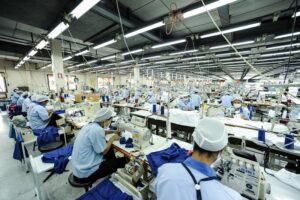
The global labor market continues to shift as countries adapt to economic demands, population changes, and workforce shortages. One sector that has seen consistent international demand is factory work. From manufacturing and packaging to assembly lines and quality control, factory jobs remain essential for many industries including automotive, electronics, textiles, food processing, and pharmaceuticals.
In 2025, several countries are actively seeking foreign factory workers due to domestic labor shortages and the need to maintain production levels. For job seekers looking to relocate abroad, this presents valuable opportunities not only for stable employment but also for visa sponsorship and long-term residency options.
Why Factory Workers Are in High Demand
Many countries face aging populations and shrinking local workforces, leaving factories without enough employees to keep up with production. At the same time, global demand for manufactured goods is rising. Employers are turning to foreign labor to fill gaps in assembly lines, machine operation, packaging, and logistics.
Another reason for demand is the growth of specialized industries such as electronics and medical equipment manufacturing, which require consistent labor input. While automation has replaced some jobs, factories still rely heavily on human workers for precision tasks, quality assurance, and large-scale production.
Countries Hiring Factory Workers in 2025
Canada
Canada has been expanding its manufacturing sector, particularly in automotive, food processing, and packaging industries. With ongoing labor shortages, employers are increasingly hiring foreign workers under the Temporary Foreign Worker Program. Provinces like Ontario, Quebec, and Manitoba are key hubs where factory jobs are available. Many of these positions come with visa sponsorship, and long-term workers may transition to permanent residency through the Provincial Nominee Program.
Poland and Other Eastern European Countries
Eastern Europe has become a strong destination for factory workers, especially for foreigners from Asia and Africa. Poland, Hungary, and the Czech Republic are major hubs for automotive and electronics manufacturing. Employers often provide work permits and assistance with relocation. While wages are lower compared to Western Europe, the cost of living is also affordable, making these destinations attractive for first-time workers abroad.
Germany
Germany’s industrial sector is the backbone of its economy, and in 2025, it continues to face worker shortages in manufacturing. From car production to engineering equipment and chemicals, factory workers are needed across multiple industries. Foreign workers can secure work permits and in some cases long-term visas through employer sponsorship. Germany also offers opportunities to upgrade skills, making it possible to advance into technical roles over time.
Japan
Japan has long relied on foreign workers to support its shrinking labor force, and factory jobs are a common entry point. The country recruits international workers for roles in electronics, automotive manufacturing, and food processing. Japan offers special visa categories for specified skilled workers, which allow foreign employees to work in factories with the possibility of long-term stay. While language can be a barrier, the demand for reliable workers continues to grow.
South Korea
Similar to Japan, South Korea faces demographic challenges and a shortage of factory laborers. The country hires foreign workers through the Employment Permit System, which is open to nationals of selected partner countries. Foreign workers are often employed in manufacturing sectors such as textiles, electronics, and machinery. These jobs provide competitive wages and benefits, although they can be demanding.
United Arab Emirates and Gulf Countries
The UAE, Saudi Arabia, and Qatar are known for construction and oil-related jobs, but their manufacturing industries are expanding. Food production, plastics, packaging, and chemical factories regularly hire foreign workers. Employers often provide visa sponsorship, housing, and transportation as part of the job package. While these roles may not always lead to permanent residency, they offer good short-term earning potential.
Malaysia
Malaysia remains one of Southeast Asia’s top destinations for foreign factory workers, especially in electronics and palm oil processing industries. Employers regularly recruit workers from neighboring countries and provide work permits along with accommodation. While the salaries may not be as high as in Western countries, the low cost of living makes Malaysia attractive for those seeking overseas experience.
United States
Although immigration laws are stricter, certain U.S. states continue to experience labor shortages in manufacturing. Employers sometimes turn to foreign recruitment for factory roles in food processing, packaging, and assembly. Visa sponsorship is more competitive, but some opportunities exist through temporary work programs.
Benefits of Working as a Factory Worker Abroad
Working abroad as a factory worker comes with several advantages. Many employers provide visa sponsorship, accommodation, and meals, which reduces living expenses. The jobs may also serve as a gateway to permanent residency in countries like Canada or Germany. In addition, workers gain international experience, exposure to new cultures, and the opportunity to improve their income compared to what they might earn in their home country.
For younger workers, factory jobs can serve as an entry point into the international labor market, creating opportunities to transition into more skilled roles over time. In countries with strong worker protections, such as Germany or Canada, employees also benefit from fair wages, overtime pay, and workplace safety standards.
Things to Consider Before Applying
While the demand is high, it is important for workers to research carefully before applying. Conditions vary widely between countries, and some jobs may be physically demanding with long hours. Language requirements can also affect job performance and integration. It is crucial to apply through official government channels or verified recruitment agencies to avoid fraudulent offers.
Workers should also consider long-term goals. Countries like Canada, Germany, and Poland may offer more structured residency opportunities, while Gulf countries are better suited for those seeking short-term contracts and tax-free earnings.
The demand for factory workers abroad in 2025 is strong and spread across multiple regions including North America, Europe, Asia, and the Middle East. For individuals seeking stable employment and opportunities to live overseas, this is a promising pathway. Countries such as Canada, Poland, Germany, Japan, and South Korea are leading the list of destinations offering opportunities with visa sponsorship.
Factory work abroad is not just about immediate income; it is a chance to build international experience, support long-term migration goals, and secure a better future. With careful research and preparation, foreign workers can find rewarding opportunities in this ever-growing sector.
Book a one-on-one consultation for guidance tailored to your goals: https://selar.com/Book.A.Session


