
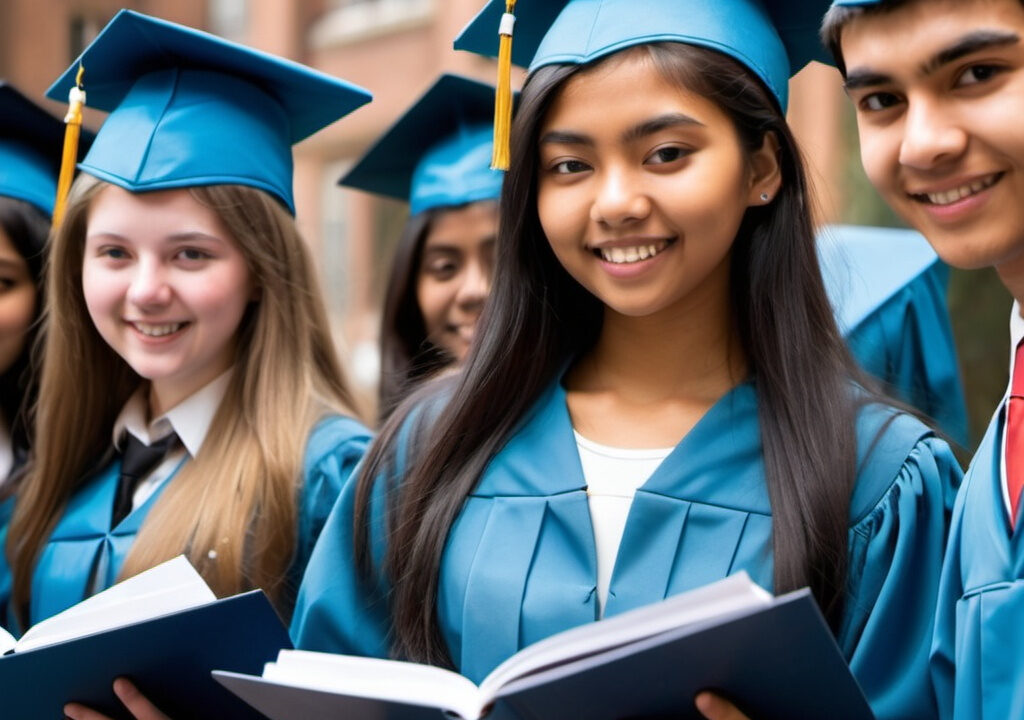
Post-conflict regions often face significant challenges in rebuilding their societies, particularly in the education sector. Scholarships for international students from post-conflict areas aim to provide educational opportunities for individuals affected by war, violence, or political instability. These programs support the development of skilled leaders and professionals who can contribute to the reconstruction and growth of their communities.
What Are Post-Conflict Scholarships?
Post-conflict scholarships are targeted at students from countries or regions recovering from conflicts such as wars, civil unrest, or natural disasters that have disrupted education systems. These scholarships often provide financial aid, mentorship, and resources to help students complete their education and prepare for leadership roles in their home countries.
If you need more explanation or more information, you can book a consultation and speak to Happy Face
Key Objectives of Post-Conflict Scholarships
- Access to Education:
- Ensure that students from conflict-affected regions can continue their studies despite challenges such as financial constraints or disrupted schooling.
- Promoting Peacebuilding:
- Equip students with the knowledge and skills needed to contribute to peace, governance, and social development in their communities.
- Empowering Future Leaders:
- Develop a new generation of leaders who can rebuild and strengthen institutions in post-conflict areas.
- Global Representation:
- Provide marginalized voices from conflict-affected regions with access to global education networks and platforms.
Examples of Scholarships for Post-Conflict International Students
- DAFI (Albert Einstein German Academic Refugee Initiative) Scholarship:
- Supports refugees from conflict-affected regions to pursue higher education in host countries.
- Chevening Scholarships (UK):
- Offers fully funded scholarships to students from developing and conflict-affected nations, focusing on leadership and governance.
- World Bank Scholarships:
- Funds students from low-income and conflict-affected countries to study development-related fields at partner universities worldwide.
- Erasmus Mundus Joint Master Degrees (EMJMD):
- Provides opportunities for students from post-conflict regions to study in multiple European countries, fostering cultural exchange and skill development.
- Global Citizen Scholarship (University of London):
- Aimed at students from conflict-affected areas, this scholarship supports individuals committed to social justice and peacebuilding.
- United Nations Scholarships:
- Offers various programs for students from regions impacted by conflict, emphasizing education in human rights, peace, and development.
If you need more explanation or more information, you can book a consultation and speak to Happy Face
Fields of Study Commonly Supported
Scholarships for post-conflict students often prioritize fields that align with rebuilding efforts, such as:
- Public policy and governance
- Law and human rights
- Education and social work
- Health sciences
- Engineering and infrastructure development
- Environmental sustainability
Benefits of Post-Conflict Scholarships
- Financial Assistance:
- Covers tuition fees, living expenses, travel, and study materials to reduce financial burdens on students.
- Psychosocial Support:
- Many scholarships include access to counseling and mentorship to address the emotional and psychological impact of conflict.
- Global Networking Opportunities:
- Connects students with international peers, professionals, and organizations to expand career prospects and collaborative efforts.
- Skill Development:
- Equips students with skills in leadership, critical thinking, and innovation, enabling them to address complex challenges in post-conflict settings.
If you need more explanation or more information, you can book a consultation and speak to Happy Face
Eligibility Criteria
While requirements vary by scholarship, general criteria often include:
- Nationality: Applicants must hail from conflict-affected or post-conflict regions.
- Academic Performance: A strong academic record is typically required.
- Commitment to Community Development: Many scholarships prioritize students who demonstrate a desire to contribute to their home country’s rebuilding efforts.
- Language Proficiency: Proficiency in the language of instruction (e.g., English) may be required, often proven through exams like IELTS or TOEFL.
How to Apply
- Identify Suitable Scholarships:
- Research scholarships designed for students from conflict-affected areas. Check eligibility and application timelines.
- Prepare Documentation:
- Collect necessary documents such as academic transcripts, proof of nationality, personal statements, and recommendation letters.
- Highlight Your Story:
- Many applications require essays or interviews. Share your experiences and articulate your vision for contributing to your community post-conflict.
- Submit Early:
- Ensure you meet deadlines and follow all application instructions carefully.
- Seek Support:
- Reach out to education counselors, NGOs, or community organizations that assist students from post-conflict regions.
If you need more explanation or more information, you can book a consultation and speak to Happy Face
Scholarship Providers and Partners
Scholarships for post-conflict students are often funded by:
- International organizations like the United Nations, World Bank, and European Union.
- Non-governmental organizations (NGOs) focused on education and peacebuilding.
- Universities with a commitment to diversity and global development.
- Private foundations supporting social justice and equity.
Scholarships for international students from post-conflict regions are more than financial aid—they are pathways to hope, opportunity, and change. These programs empower individuals to overcome adversity, gain a world-class education, and play a critical role in the rebuilding and development of their communities.


