
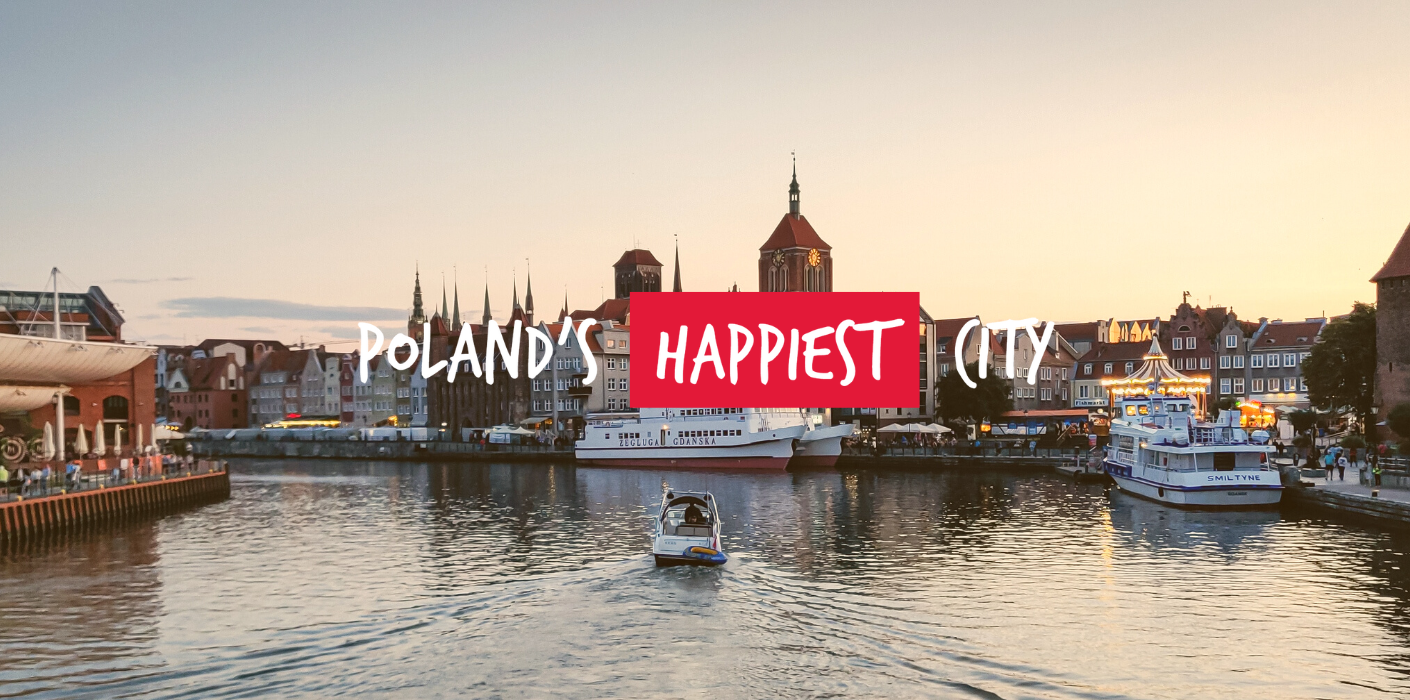
As the cost of international education continues to rise in traditional destinations such as the United Kingdom, the United States and Canada, more African students are exploring alternative European countries that offer quality education at significantly lower costs. One destination that is steadily gaining attention is Poland. Located in the heart of Central Europe, Poland combines affordability, academic excellence, cultural richness and strong career prospects, making it one of the most attractive study destinations for African students today.
Poland is a member of the European Union and part of the Schengen Area, which means students benefit from access to a wider European network while studying in a safe and stable country. Over the last two decades, Poland has invested heavily in its higher education system, modernizing its universities, expanding English-taught programs and welcoming thousands of international students from across the world.
Affordable Tuition Fees Compared to Western Europe
One of the strongest reasons African students are choosing Poland is cost. Tuition fees in Poland are considerably lower than in most Western European countries. On average, international students pay between 2,000 and 6,000 euros per year for undergraduate and postgraduate programs taught in English. This is a fraction of what students would pay in the United Kingdom or the United States for similar qualifications.
Medical degrees, engineering programs, business studies and information technology courses are particularly popular and remain competitively priced. Even specialized programs such as aviation, international relations and biotechnology are often more affordable than equivalent courses in Western Europe.
In addition to lower tuition fees, many Polish universities offer flexible payment options, allowing students to pay per semester rather than the full academic year upfront. This makes financial planning easier for families in Africa.
Low Cost of Living
Poland also stands out for its relatively low cost of living. Depending on the city, students can live comfortably on approximately 400 to 800 euros per month, covering accommodation, food, transportation and personal expenses. Cities like Warsaw and Kraków may be slightly more expensive, while cities such as Lublin, Białystok and Rzeszów are even more affordable.
Student accommodation is reasonably priced, and many universities provide dormitories at subsidised rates. Public transportation is efficient and discounted for students. Groceries and daily necessities are also moderately priced compared to Western Europe.
For African families seeking a European degree without the financial strain of higher living expenses, Poland presents a practical and sustainable option.
Internationally Recognized Degrees
Polish universities operate under the Bologna Process, ensuring that degrees are recognized across Europe and internationally. Graduates can pursue further education or employment within the European Union and beyond.
Institutions such as the University of Warsaw, Jagiellonian University and Warsaw University of Technology consistently rank among reputable European universities. Many programs are taught entirely in English, making them accessible to African students who may not speak Polish.
Poland is particularly strong in medicine, engineering, computer science, business and social sciences. Polish medical schools have attracted students from Nigeria, Ghana, Kenya and other African countries due to their relatively lower tuition fees compared to other European medical schools.
Part Time Work Opportunities
International students in Poland are allowed to work part time during their studies without needing a separate work permit. This provides an opportunity to gain international work experience and support living expenses.
Students can work in sectors such as hospitality, customer service, IT support, tutoring and administrative roles. Those studying technical or specialized fields may also find internships related to their programs. Poland’s growing economy and increasing foreign investment have created employment opportunities in multinational companies operating within the country.
Safe and Student Friendly Environment
Poland is considered one of the safer countries in Europe, with low crime rates and stable political conditions. Universities offer strong support systems for international students, including orientation programs, language courses and student associations.
Many cities have vibrant student communities and active cultural scenes. African students often find comfort in joining international student groups where they can connect with peers from other countries. Over time, more African communities are forming in major Polish cities, creating a sense of belonging and support.
Gateway to Europe
Because Poland is part of the Schengen Area, students can travel freely to other European countries once they obtain their residence permit. This allows African students to explore Europe during holidays, attend conferences, build networks and broaden their global exposure.
Studying in Poland can also open doors to career opportunities in other European Union countries after graduation, especially in fields such as technology, healthcare and engineering.
Admission Requirements
Admission requirements in Poland are generally straightforward. For undergraduate programs, students need a recognized secondary school certificate and proof of English proficiency, such as IELTS or equivalent. For postgraduate programs, a bachelor’s degree in a related field is required.
Medical programs may have additional entrance exams or interviews. Processing times are relatively efficient, and student visa procedures are clear when documentation is properly prepared.
For many African students, Poland offers a less complicated pathway compared to countries with stricter immigration systems.
Post Study Opportunities
After graduation, students can apply for temporary residence to search for employment or start a business. Poland’s growing economy and labour demand in certain sectors increase the chances of securing employment, especially for graduates in STEM fields.
While Poland may not yet offer the same long post study work durations as some Western countries, it provides a realistic and accessible entry point into the European labour market.
Challenges to Consider
Like any study destination, Poland comes with its own challenges. The language barrier can be noticeable outside university settings, although English is widely spoken among young people and in academic environments. Winters can be cold, particularly for students from tropical African countries. However, most students adapt quickly with the right preparation.
Why Poland Makes Financial and Strategic Sense for Africans
For African students who want a European degree without accumulating overwhelming debt, Poland stands out as one of the most cost effective and strategic choices. It combines affordable tuition, manageable living expenses, recognized qualifications and access to the broader European space.
In an era where international education costs are becoming increasingly prohibitive, Poland represents a practical solution that does not compromise on quality.
If you are considering studying in Poland and need expert guidance on school selection, admission processing, visa application and accommodation arrangements, we are here to help.
Send your enquiry to happyfacelimited@gmail.com or book a consultation session via our Selar link to receive personalized support tailored to your academic goals and budget. Your European degree could be closer and more affordable than you think.


