
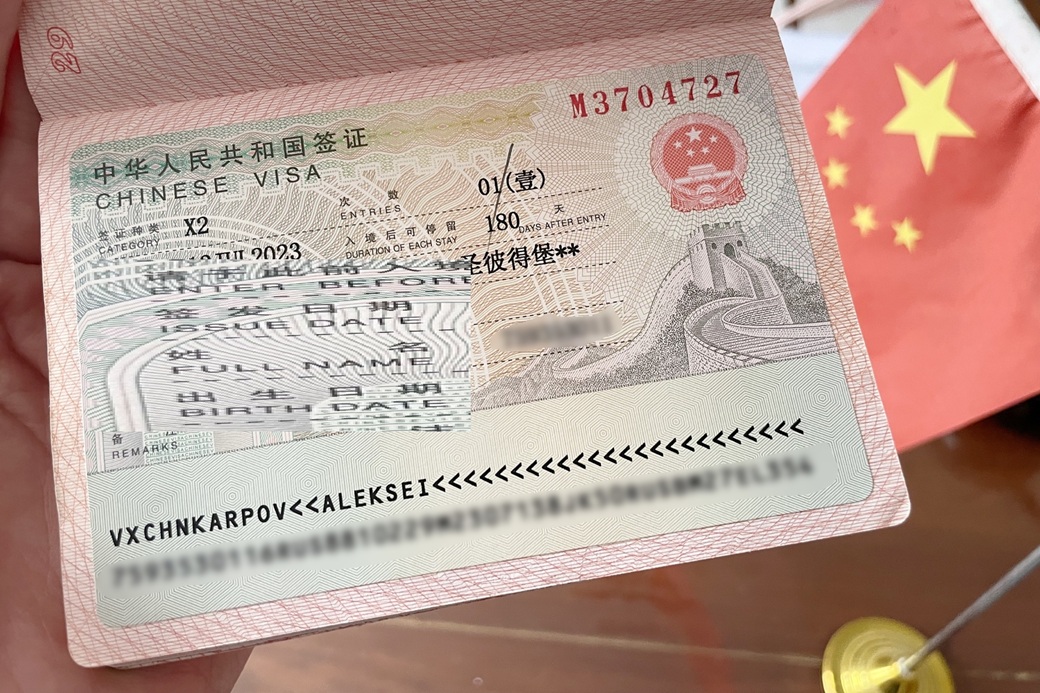
China is preparing to roll out a groundbreaking visa category; the K visa, starting October 1, 2025. This strategic innovation aims to attract exceptional young professionals in science, technology, engineering, and mathematics from around the world. It represents a significant shift in China’s immigration policy and a bold move to position the country as a global innovation hub.
Why the K Visa Matters
China has traditionally required applicants to secure employer sponsorship or a formal invitation to obtain a work visa. The new K visa eliminates this requirement, making the application process more accessible and attractive to independent researchers, recent STEM graduates, and entrepreneurial innovators.
This move mirrors similar talent-focused schemes in other global hubs. It puts China on the same talent-attraction field as the United States’ O-1 visa, the EU’s Blue Card, and Singapore’s Tech.Pass. By lowering barriers to entry, Beijing aims to strengthen international collaboration, fuel innovation, and compete more effectively in sectors like artificial intelligence, advanced manufacturing, renewable energy, and biotechnology.
Key Features of the K Visa
-
No Employer Sponsorship Required
Applicants do not need a job offer or an official invitation from a Chinese institution, allowing greater flexibility and independence. -
Multi-Entry Rights
Visa holders can enter and leave China multiple times over the validity period, enabling ongoing collaboration, travel, or research. -
Extended Validity and Longer Stays
The K visa offers significantly longer durations of stay and fewer restrictions, catering to long-term research, project execution, or business ventures. -
Broad Scope of Permitted Activities
Bearers of the K visa can engage in a range of activities such as academic exchanges, scientific research, startup development, cultural initiatives, and business ventures. -
Simplified Application Process
Applications are expected to be streamlined and digitized, allowing candidates to file via Chinese embassies or consulates with greater ease.
Who Qualifies for the K Visa
China’s K visa is tailored for young STEM talent from around the globe. Candidates typically fall into one of two categories:
-
Graduates holding bachelor’s degrees or higher from prestigious global universities or research institutions in STEM fields.
-
Individuals actively engaged in education or research in STEM, even without formal qualifications.
While detailed criteria, including age limits and acceptable institutions are pending official release, sources indicate an emphasis on early-career professionals typically under 40 or 45 years old.
The Strategic Vision Behind the K Visa
This visa aligns with China’s broader innovation agenda, as outlined in its national “Talent Power Strategy.” At its core, the policy frames science as a primary productive force and talent as its main resource. By granting flexibility to young talent, China is seeking to secure its position in the global race for scientific and technological leadership.
The K visa also complements China’s recent moves to ease visa rules for over 75 countries, signaling a broader shift toward openness and global integration.
Considerations and Future Implications
The K visa promises numerous advantages, but several challenges remain:
-
Definition of “Young Talent”
Clarifying age limits and acceptable qualifications will determine eligibility and inclusivity. -
Integration and Retention
Opening borders is one thing; ensuring inclusive social and professional integration is another. -
Security and Policy Balance
Expanding talent flows must be balanced with the protection of intellectual property and national priorities. -
Administrative Efficiency
The success of the visa depends heavily on consistent guidance, transparent criteria, and efficient processing.
What Comes Next
China is expected to release further details before the October launch, including application procedures and required documentation. In the meantime, tech professionals, early-career researchers, and global innovators should begin preparing their credentials and monitoring embassy websites for updates.
The introduction of the K visa marks a game-changing approach in global talent policy, giving China a competitive edge in attracting and retaining young, high-potential STEM professionals. If implemented effectively, this visa could transform China into a magnet for innovation-driven careers and international research.
Stay tuned as this story unfolds. If you’re curious about how this may affect future travel, research, or relocation opportunities, feel free to reach out.
Book a one-on-one consultation for guidance tailored to your goals: https://selar.com/Book.A.Session


