
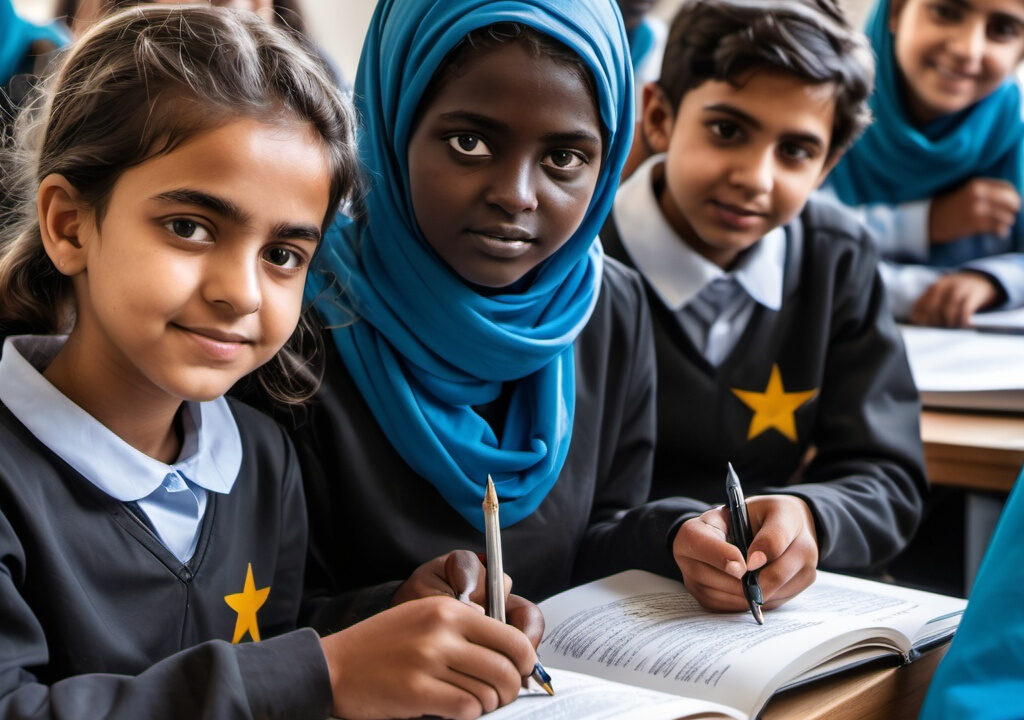
Education is a fundamental right, yet many refugees face significant barriers to accessing it due to financial constraints and displacement. To bridge this gap, various organizations, governments, and institutions offer scholarships specifically designed for refugee students. These programs aim to provide refugees with opportunities to rebuild their lives through education, empowering them to create brighter futures for themselves and their communities.
This guide explains what scholarships for refugee students are, how they work, and the steps to apply for these life-changing opportunities.
What Are Scholarships for Refugee Students?
Scholarships for refugee students are financial aid programs tailored to support individuals who have been displaced due to conflict, persecution, or other crises. These scholarships often cover tuition fees, living expenses, travel costs, and sometimes provide additional support, such as counseling or mentorship.
They are available for various levels of education, including high school, undergraduate, and postgraduate studies, and are offered by universities, humanitarian organizations, and government bodies.
Why Are These Scholarships Important?
- Access to Education
- Refugees often lack access to formal education due to financial hardships, lack of documentation, or interrupted schooling. Scholarships help overcome these obstacles.
- Empowerment Through Knowledge
- Education enables refugees to gain skills, build careers, and contribute to their host or home countries.
- Social Integration
- Studying alongside local and international students fosters cultural exchange and helps refugees integrate into their host communities.
- Breaking the Cycle of Poverty
- By providing access to education, scholarships help refugees secure better job opportunities, lifting themselves and their families out of poverty.
If you need more explanation or more information, you can book a consultation and speak to Happy Face
Popular Scholarships for Refugee Students
- DAFI (Albert Einstein German Academic Refugee Initiative)
- Funded by the German government, DAFI supports refugees pursuing undergraduate degrees in their host countries.
- Covers tuition, living expenses, and study materials.
- World University Service of Canada (WUSC) Student Refugee Program
- Provides refugees with the opportunity to resettle in Canada and pursue higher education.
- Covers tuition and offers resettlement support.
- Refugee Scholarship from the University of Sanctuary Movement (UK)
- Many universities in the UK, such as the University of Edinburgh and University of Sussex, offer scholarships for refugee students.
- United Nations High Commissioner for Refugees (UNHCR) Connected Learning Programs
- Blends online and in-person learning to provide higher education opportunities for refugees in camps and urban areas.
- Windle Trust International Scholarships
- Supports refugees from East and Central Africa to access secondary and higher education.
- Jusoor Scholarships (Syria)
- Provides scholarships for Syrian refugees to study at universities worldwide.
If you need more explanation or more information, you can book a consultation and speak to Happy Face
Eligibility Criteria
Scholarships for refugee students often have unique eligibility requirements. Common criteria include:
- Refugee or Asylum Seeker Status
- Applicants must hold official refugee status or be recognized as asylum seekers in their host countries.
- Academic Qualifications
- Proof of previous academic achievements or qualifications may be required.
- Age Limits
- Some scholarships specify age restrictions, especially for undergraduate programs.
- Language Proficiency
- Students may need to demonstrate proficiency in the language of instruction (e.g., English, French).
- Financial Need
- Applicants often need to prove they lack the financial resources to pursue education independently.
How to Apply for Scholarships for Refugee Students
- Research Scholarships
- Explore scholarship opportunities that align with your educational goals and qualifications.
- Use online platforms like UNHCR’s website or scholarship databases to find relevant programs.
- Prepare Documentation
- Gather essential documents such as:
- Proof of refugee status or asylum seeker documentation.
- Academic transcripts or certificates.
- Identification papers (if available).
- Language proficiency test scores (if required).
- Gather essential documents such as:
- Write a Personal Statement
- Highlight your background, challenges faced as a refugee, and your educational and career aspirations.
- Secure Recommendations
- Obtain letters of recommendation from teachers, community leaders, or employers who can vouch for your skills and potential.
- Submit Applications
- Follow the application instructions carefully and submit all required materials before the deadline.
- Prepare for Interviews
- Some scholarships require interviews to assess candidates’ goals and suitability. Be prepared to share your story and aspirations.
If you need more explanation or more information, you can book a consultation and speak to Happy Face
Challenges Refugees Face in Accessing Scholarships
- Lack of Documentation
- Many refugees flee their countries without academic records or identification, which can complicate applications.
- Limited Access to Technology
- Online application processes can be difficult for refugees living in camps or rural areas with poor internet connectivity.
- Language Barriers
- Refugees may need to learn a new language to meet scholarship requirements.
- Psychological Trauma
- Displacement and conflict often leave refugees dealing with emotional and mental health challenges that can affect their education.
- Financial Constraints
- Even with scholarships, refugees may struggle to cover costs not included, such as transportation or living expenses.
If you need more explanation or more information, you can book a consultation and speak to Happy Face
Tips for a Successful Application
- Start Early
- Research and apply for scholarships well before the deadline.
- Seek Help
- Reach out to local NGOs, refugee organizations, or education counselors for guidance.
- Be Honest
- Clearly explain your circumstances and why you need the scholarship.
- Practice Language Skills
- Improve your proficiency in the language of instruction to enhance your application and academic readiness.
- Focus on Your Strengths
- Emphasize how your experiences as a refugee have shaped your resilience, determination, and goals.


